
Man oh man oh man: 15 year-old me would never dream that he'd be writing up a proper defense of norsecore, but I'll be goddamned if we're not here doing it 25 years on. Because you know what? This dreaded epithet that the '90s/'00s kvlt police hurled at this much-maligned style of black metal, unfairly dismissed as "standard", "banal", or "cliché-ridden" - typically popular bands and especially Swedish ones - deserves a critical re-evaluation.
So here, I'll cut straight to the chase: I like norsecore. I grew up listening to variants of it almost as much as the more highly-regarded Norwegian, Polish and French styles. There was a time when I got kinda uppity about it as a teenager/twenty-something, but hey: it was the early '00s, and a lot of us BM devotees got swept up in what was kvlt and raw and all that shit. Meanwhile, as black metal over the last 15 years was either co-opted by people who suck at it (mostly Americans in their 20s and 30s) or, alternatively, drug back down to the basement (where it belongs, which is fine), I've been reflecting more and more with gut-wrenching nostalgia on the glory days of norsecore (roughly 1994-2002, depending on where you draw the line), and the more I do, the more I find that those hyper-blasting, fully corpse-painted, ultra-Satanic records that I had once discarded in favor of objectively better ones like Moonblood, Abyssic Hate, and Satanic Warmaster still have their place and, even more so, still have value to me.
The main criticisms typically leveled at norsecore are those of one-dimensionality and unoriginality, and while those aren't always wholly inaccurate, it was also one of the most uncompromising strains of black metal ever conceived. Birthed and perfected by the Swedes in the mid-'90s, it swiftly became the most highly-visible style of black metal that was still firmly underground and mostly devoid of any commercial aspirations. It was a perfect storm of blasphemy, an overtly Satanic maelstrom that Materialized (in Stone) at the center of a triumvirate of the fast 'n' frosty inclinations of De Mysteriis dom Sathanas and Pure Holocaust, the grind-influenced blackened bludgeoning of early Impaled Nazarene, and the neoclassical, squareish (not squareish as in lame, but squareish as in literally the riffs are shaped like squares) immediacy of Dissection's melodic sensibilities, all beneath a searing veneer of Abyss Studios' trademark, crystalline-trebly production.
Doesn't sound so bad, does it? It really wasn't! What made norsecore a frequent target of criticism from black metal kvltists, though, was its bite-sized, sugary melodic phrases lifted from Iron Maiden by way of Dissection, which rendered it catchy and easy to listen to. Think of it as black metal for 1950s housewives, and boy, do I long to be a 1950s housewife!
Seriously though, there was some mind-blowing shit released under the norsecore umbrella, and it's with the utmost fondness that I'm gonna look back on what were the most crucial albums of the style's evolution. Granted, Marduk's and especially Dark Funeral's '90s output really is pretty basic, but there are days when that's exactly what I need. I'm pretty sure you need it too ;)
Mm, maybe not Dark Funeral.
OK, Dark Funeral.
But hey, betcha didn't know this: norsecore actually kept evolving after the initial wave ran outta steam! I firmly believe that there were distinct first and second waves, the latter of which I've taken to calling neo-norsecore. Beyond that, I subscribe to the notion that the orthodox BM movement (yes, I know, I said BM movement) was ultimately just the final evolution of the style rather than a whole new paradigm. You'll see, and I'll change your mind if you're skeptical.
Anyway, think of this write-up as a loving paean to the glory of norsecore, our embrace and reclamation of the N-word. Too soon? Maybe? Oh well: what I mean is that there's no reason for this term and the style it describes to be an epithet. Like, yeah, it's cheeky or whatever, but I do and have always found it to be a useful descriptor. And hey, for the record, I'll take this over fey bullshit like Deafheaven or Liturgy literally any day. Goddamn I hate those bands.
A quick FYI for how this list works: each section is in chronological order (for the most part), and isn't exhaustive: it only includes those albums that I own, or don't own but am familiar enough with and excited enough about to give a good, clean evaluation. Feel free to send me recs on albums I didn't list!
Now cut your flesh and worship norsecore...
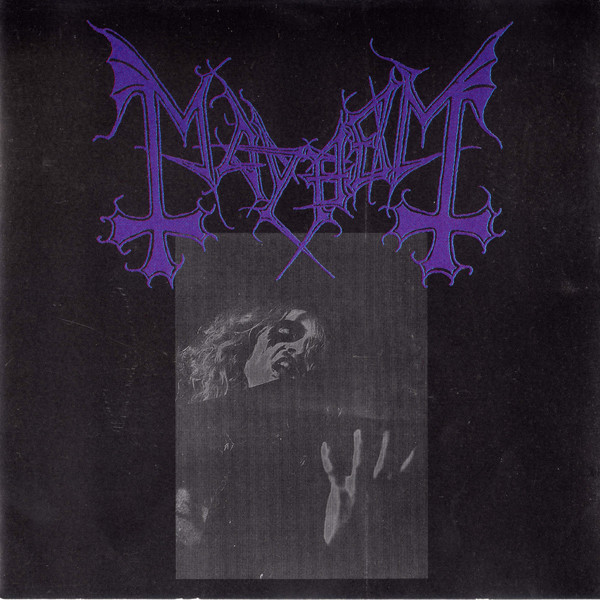
The seeds were planted here, with the first widely-available* renditions of the first solidly-second-wave songs recorded by anyone, anywhere, that would eventually be released on De Mysteriis... ('Funeral Fog', 'Freezing Moon', 'Buried by Time and Dust', 'Cursed in Eternity'). I can just see Marduk, fresh off the release of Dark Endless, sitting in a graveyard in Sweden and hearing this for the first time, a dubbed copy of the master tape direct from Euronymous*, no doubt:
One Marduk: 'Boys, böys! We'f been goink about dis åll wronk. Wat if we just pleyed dis för de ny sonk?'
*plays opening riff of 'Buried by Time and Dust'*
Rest of Marduk: 'Dat's pritty güd! Let's record dat, but play it for entire höur"
Osmose: *releases Those of the Unlight*
And that, kids, is how norsecore was born. I'm exaggerating a bit, of course: Those of the Unlight wasn't quite fully-fledged norsecore yet :P9
*It's been documented - I think in Metalion's Slayer Mag Diaries - that dubbed copies of this were distributed to Euronymous' associates long before it was ever officially released. Morgan Håkansson from Marduk, Jon Nödtveidt of Dissection, and the Darkthrone boys have all mentioned the influence that the future DMDS songs had on certain albums of theirs.
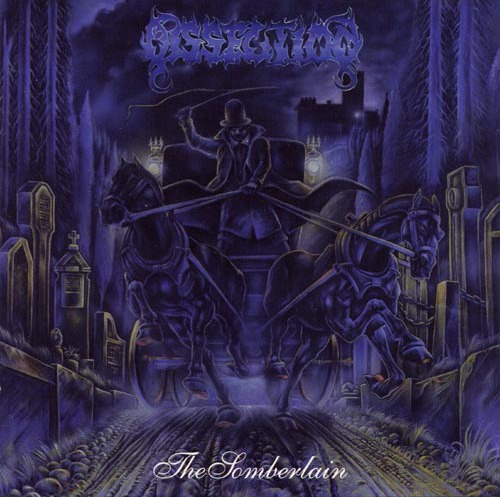
Dissection's tendency toward succinct, neoclassical melodies - and especially the juxtaposition of two such against one another - largely drives the faster passages of this album, and would emerge as one of the principal compositional techniques of norsecore as it evolved. The Somberlain, though, is definitely not norsecore: Dissection always channeled Swedish death and traditional heavy metal alongside black metal's fury and melodic sensibilities, and as such were as focused on dynamics and progressivism as all-out assault and atmosphere.
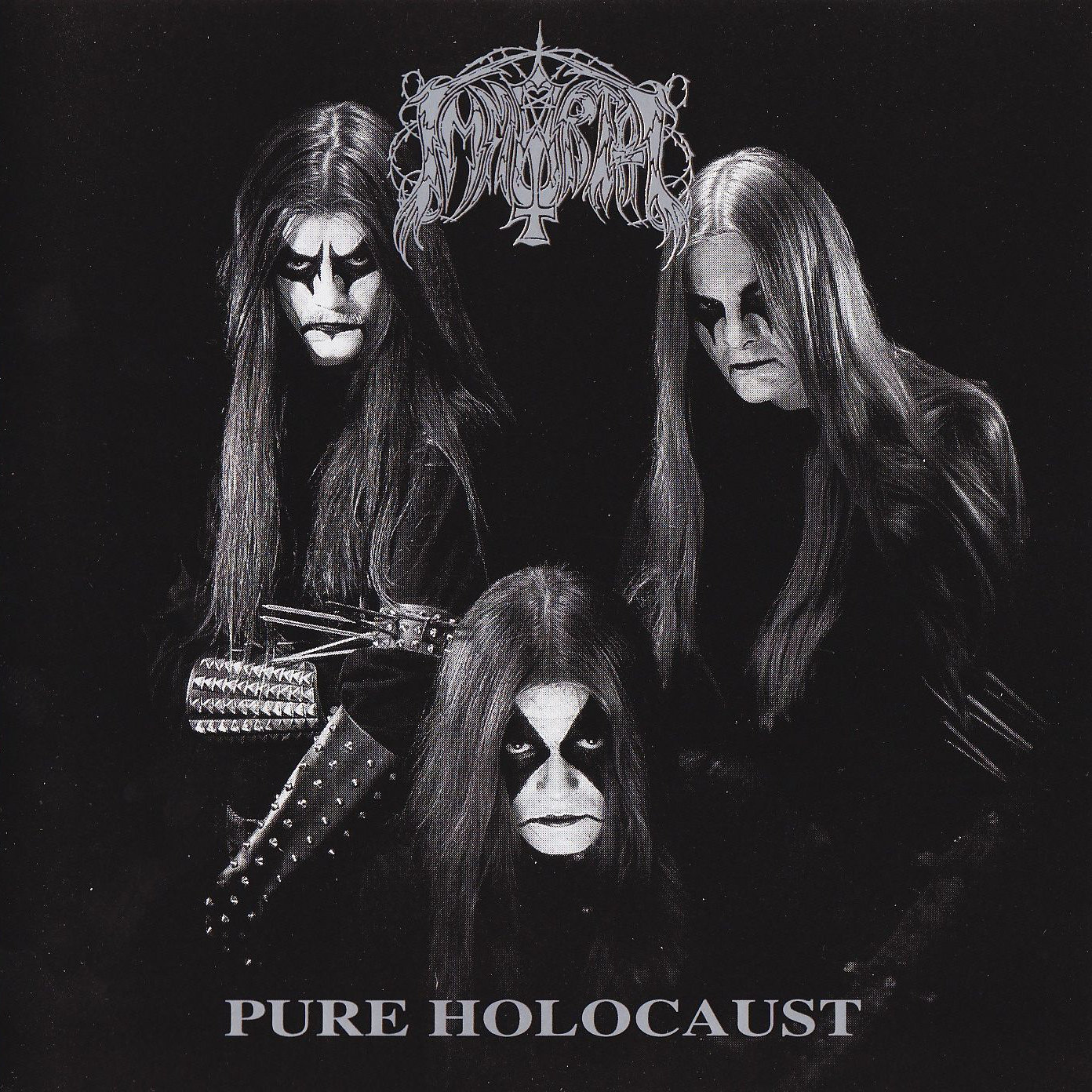
Immortal has always been way too epic in scope for a valid norsecore classification, but Pure Holocaust was a massive influence by way of its heavy reliance on Abbath's (seriously: it was him and not Erik Grim behind the kit here) unrelenting, inhumanly fast blast beat technique and Demonaz's wave after wave of skin-flaying tremolo (these are good things, to be clear). Battles in the North from two years later also qualifies as a precursor inasmuch as this does, though the foundation of norsecore proper had already been laid by that point and Immortal, meanwhile, was just being Immortal.
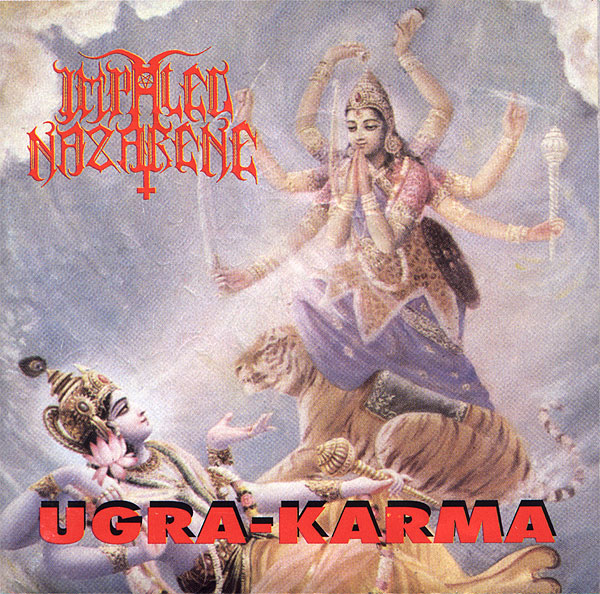
I hear in early Impaled Nazarene, and above all in this album, the impetus for the sheer fury that norsecore, despite accusations of commercialism, attempted to channel. Imp Naz achieved this in part through incorporating a heavy grindcore influence, which is even more apparent on their '92 debut, Tol Cormpt Norz Norz Norz (also highly recommended!). That album is way more over-the-top, though; here, there's a tasteful restraint to the grinding insanity and a penchant for somber melody that would be mirrored in the first wave of norsecore bands.
Imp Naz themselves aren't NC, though, and like most of the other major influences, this is due to their lack of the square-shaped, uber-accessible melodies, not to mention these Finns' greater propensity for blunt, seething spite. In fact, they're an equally great influence on war metal, which actually has a bit more in common with norsecore than you might think.
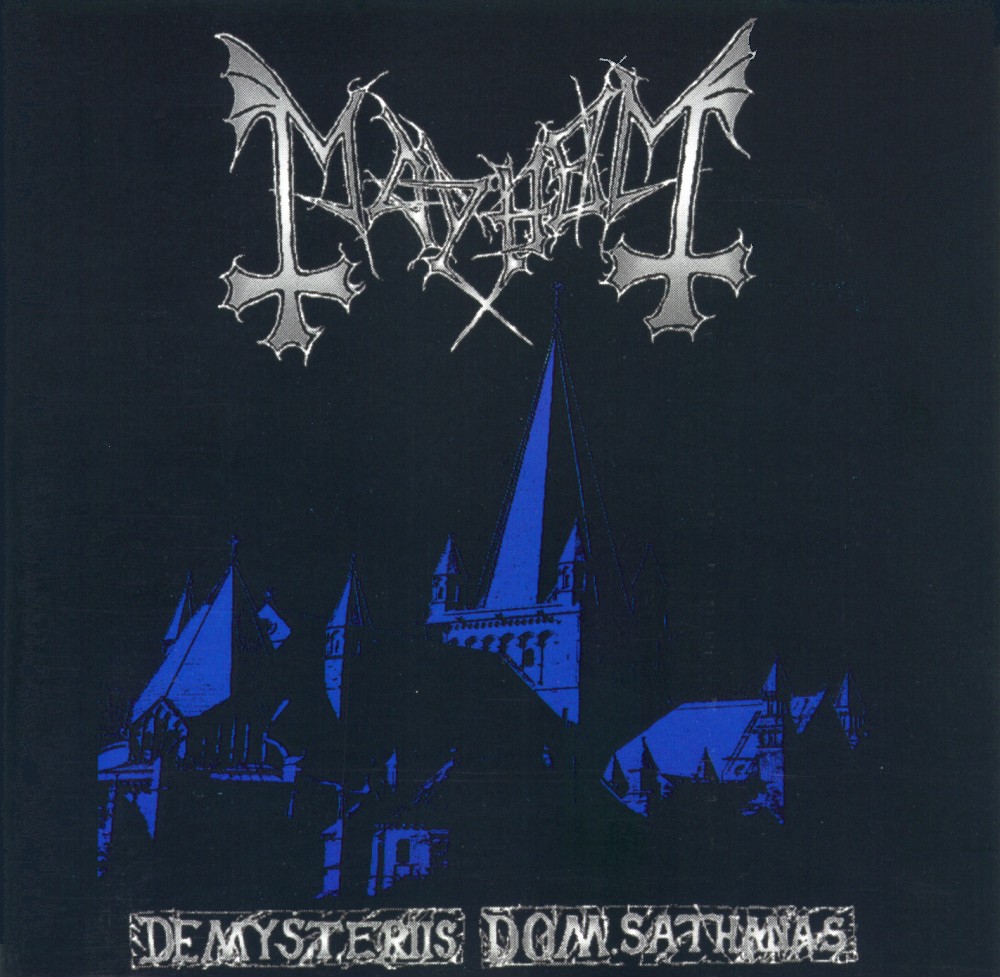
Along with Pure Holocaust, I would say this masterpiece of trad black metal is the single most crucial influence of all: its foundation of minor-key power chord shredding, sinister tremolo melodies, and grindy blast beats is essentially the same as that of norsecore. Meanwhile, there are whispers throughout of a cyclical verse-chorus songwriting - relatively anomalous for this generation of BM - that the foundational NC bands would latch onto and amplify, and it's this tendency that helps render the stuff so immediately catchy. De Mysteriis... puts this influence of more traditional songwriting to masterful, distinctive use, and the result is a uniquely anthemic quality to these songs, to which norsecore's debt is obvious and tremendous.
However, where norsecore went full-throttle on tearing out your jugular, De Mysteriis... had more grandiose, atmospheric aspirations; the idiosyncratic and dramatic vocal performance of Tormentor's Attila Csihar alone can attest to that. The fact that it went on to become the touchstone for an entire style of black metal that dominated the genre for the better part of a decade is yet another testament to its massive, inescapable influence and greatness.
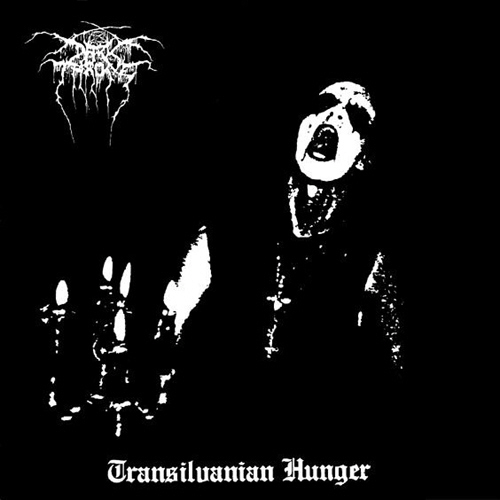
Darkthrone, and especially >Transilvanian Hunger, might seem counter-intuitive as a major norescore influence, but I'm including it because of its contribution to norsecore's method of crafting melodies, as well as to its singularity of purpose and style.
There's also, of course, the incessant pulse-blast beat, which when revved up to hyperblasting light speed, is a spot-on approximation of the rhythmic backbone of norsecore. Seriously, take the drums on every track here, play them at double time while keeping everything else the same, and you almost have a (pretty bitchin'! not to mention seriously evil and emotional) NC album.
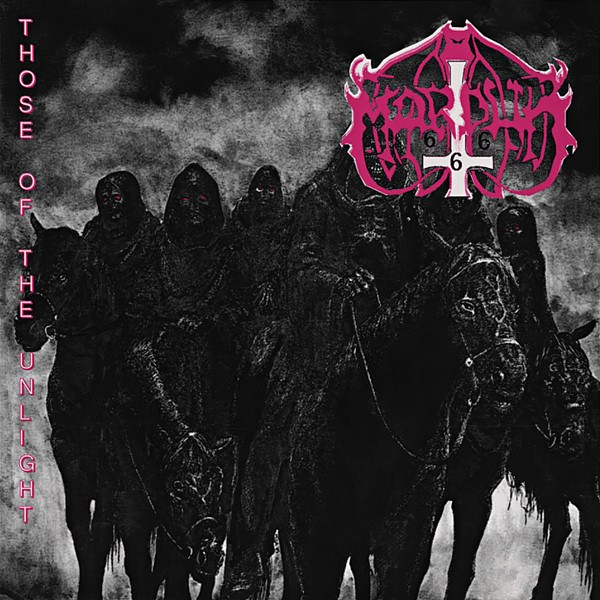
Not full-on norsecore yet - Those of the Unlight is a little too melodically ambitious, not quite ferocious enough, too varied, too tied to the older traditions in Swedish metal whence Marduk was spawned - but it's the first album that I'm aware of that I would cite as being at least kind of norsecore (precursors don't count, obviously). After this, Marduk would distill their essence down to the first norsecore album proper, Opus Nocturne. This might actually belong up above, but for my purposes here, I'm gonna call it...
(get ready)
Neolithic norsecore. It's norsecore, but in a fur loincloth. So, Manowarsecore.
Please don't put me outside.
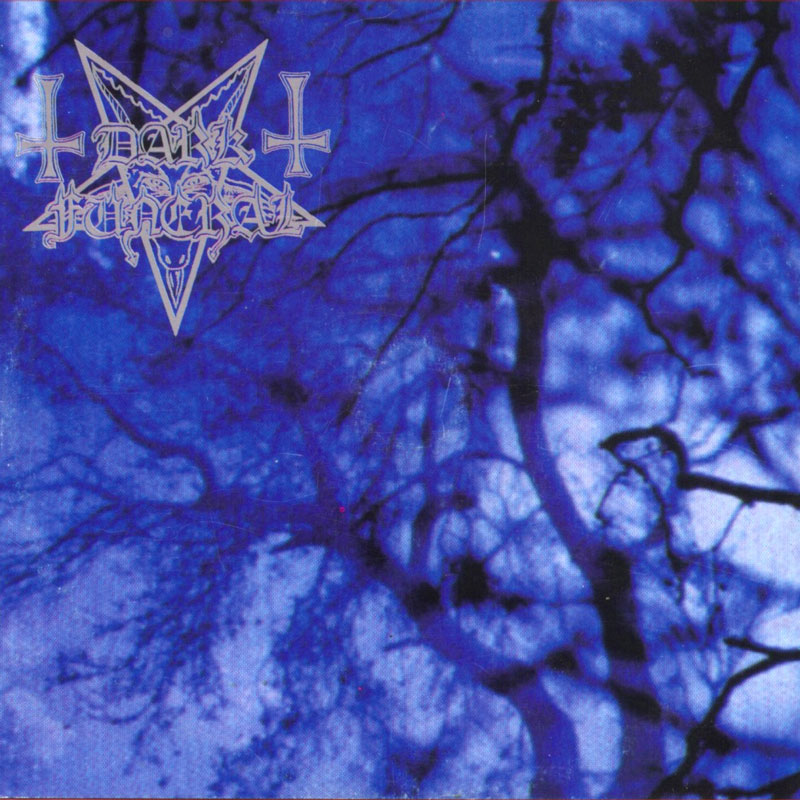
To this day my favorite Dark Funeral release, as their bona fide "classic", Secrets of the Black Arts, I was wary of for a long time and so have spun this one way more. See, they were just so much more enthusiastic-sounding here, and while it's just as boxy (read: square-shaped riffs) and simplistic, this debut EP was still reasonably well-crafted, spirited second wave BM. So what if they were a bit too workmanlike about it? There's reasonable variety of riff style (i.e., tremolo picked scales vs. shredding chords), and the songs succeed at least in being escorts for a legitimate journey. It may just be down to the pop-up Halloween store, but you're leaving your house and getting into the spirit of the season and that's what counts.
Note: this also dwells in the primitive norsecore camp along with Those of the Unlight, both falling just shy of the fully-formed NC tag.
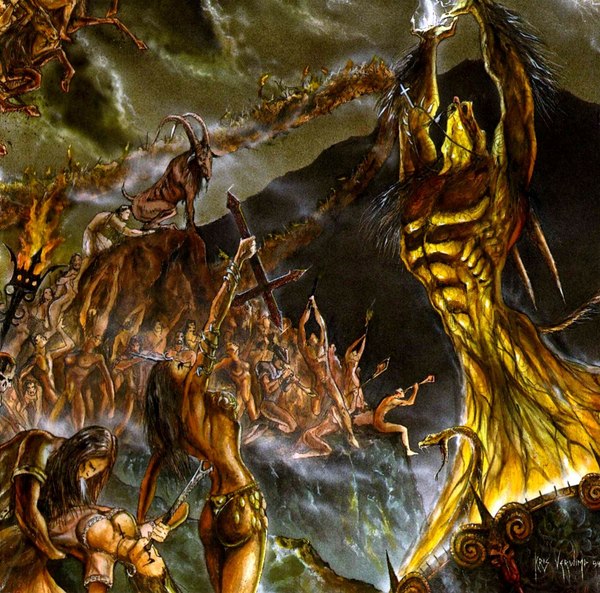
While it's not quite as over the top NC as 1996's Heaven Shall Burn..., I consistently point to this album as the first - of Marduk's and of anyone's - where all of the elements were effectively in place. That's not to say, though, that it doesn't retain some semblance of that good ol' fashioned black metal "will to greater musical aspirations" - it does, and not to mention that it's much more ambitious than Those of the Unlight, albeit less dynamic. Still, it's without question the first, genuine norsecore album to my ears.
It's pretty ferocious, really, and undulates with the actually-quite-damn-impressive, probably-all-time-best riff-writing of Morgan Håkansson, who pulls out all the stops here.
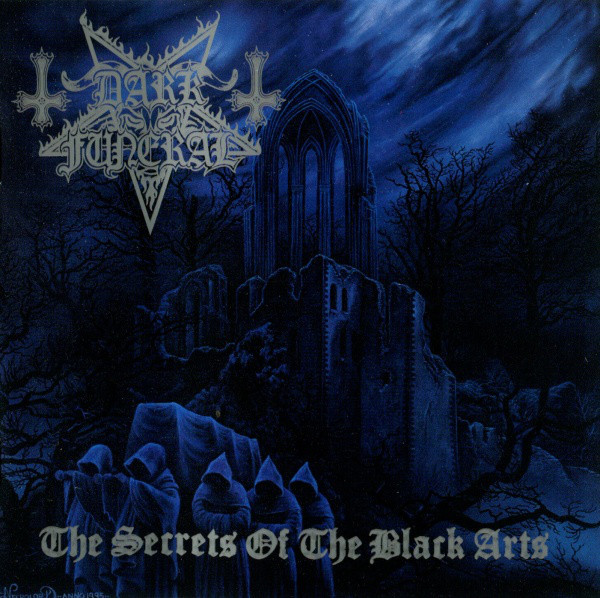
Ok everyone just calm the fuck down. I know that for lots of folks the inclusion of this album is perhaps not wholly logical. I'm well aware that The Secrets of the Black Arts is probably the single-most painfully predictable, by-the-numbers, mid-90s 'standard' black metal album out there. And you know what? It's a killer one. There was a time when I would've recommended literally dozens of other albums before this one. I mean, by BM standards, it is pretty tame. And that's to say nothing of the ocean of clichés that it's drowning in, desperate for a life...circle? What are those called? Like the little candies? Whatever. With almost 30 (!) years of hindsi - Lifesaver! That's what it was. Lifesaver - Anyway yeah, with almost 30 years of hindsight on it now, those of us who once derided it as being derivative have to ask ourselves whence, exactly, the derivation that we deride was derived. And the answer? Right the fuck here.
And if you don't buy that: I'm putting this album here because it's an essential piece of the norsecore puzzle. This band became pretty beloved after this - had US distribution with Metal Blade even, although that could have just been the entire No Fashion roster and maybe Dark Funeral wasn't special, Iunno - and by my recollection it was on the strength of this album. 'But like... It doesn't go anywhere new.' I know that. We all do, and we knew it then, too. And yet I still throw it on, now more than ever, in fact because... I don't know. I guess a lot of the time I don't need or even really want more out of black metal than this. It's sort of like eating a brick of mild cheddar, plain; you get the urge sometimes and then you do it and in theory don't really know why because everyone else tells you 'dude that's gross, that's not how you're supposed to do that, please at least cut it with a piece of bread or something you fucking freak', but yet you keep taking big thick bites and before you know it you've eaten like half a brick of just cheese, by itself, and you're like, "Why did I do that?" but in the moment it's comforting as hell and you feel whole and it seems like exactly what you've always wanted even though you know you could've been eating Graveland or Vlad Tepes or Burzum the whole time and nobody would've said a damn word. But also, when's the last time they tried eating half a brick of just cheese? You know they like cheese, they know they like cheese, but in the moment they're too busy smelling their own farts to remember. Like, it's still real cheese! It doesn't matter that it's not artisanal and came from the basic-ass cheese cooler at the grocery. It's cheese and it's actually pretty hard to fuck up as long as it's fresh. Because let me remind you, there's horrendous "cheese" out there that's made of coconut oil and tapioca, and people call it Deafheaven.
All cheesy metaphors aside (I'm so sorry), do you get what I mean? My metaphor's not too sophisticated to be effective? I just think it's horseshit that Secrets... (and follow up Vobiscum Satanas, when they were still in their Blue Period) is such a pariah when, at worst, it's inoffensive, by-the-numbers norsecore, but at best, if you can hear it this way, it's one of the single most definitive statements of the style, and a critical stepping stone during the period when norsecore was both at the height of its powers and growing more extreme by the month. And c'mon: purple Necrolord cover!
Addendum: for those of you who don't know the story behind this album, it was actually recorded twice, first by Dan Swanö at Unisound, again by Peter Tägtgren at Abyss Studios. The one you've likely heard is the later, but I strongly recommend checking out the former: while the Abyss recording is blistering and brutal, there's so much more revealed in the music by the Unisound one. The difference is shocking, and it's like a entering a cheat code and getting a whole new album you didn't even know existed. It's remarkably better when you can hear the full-breadth of melody.
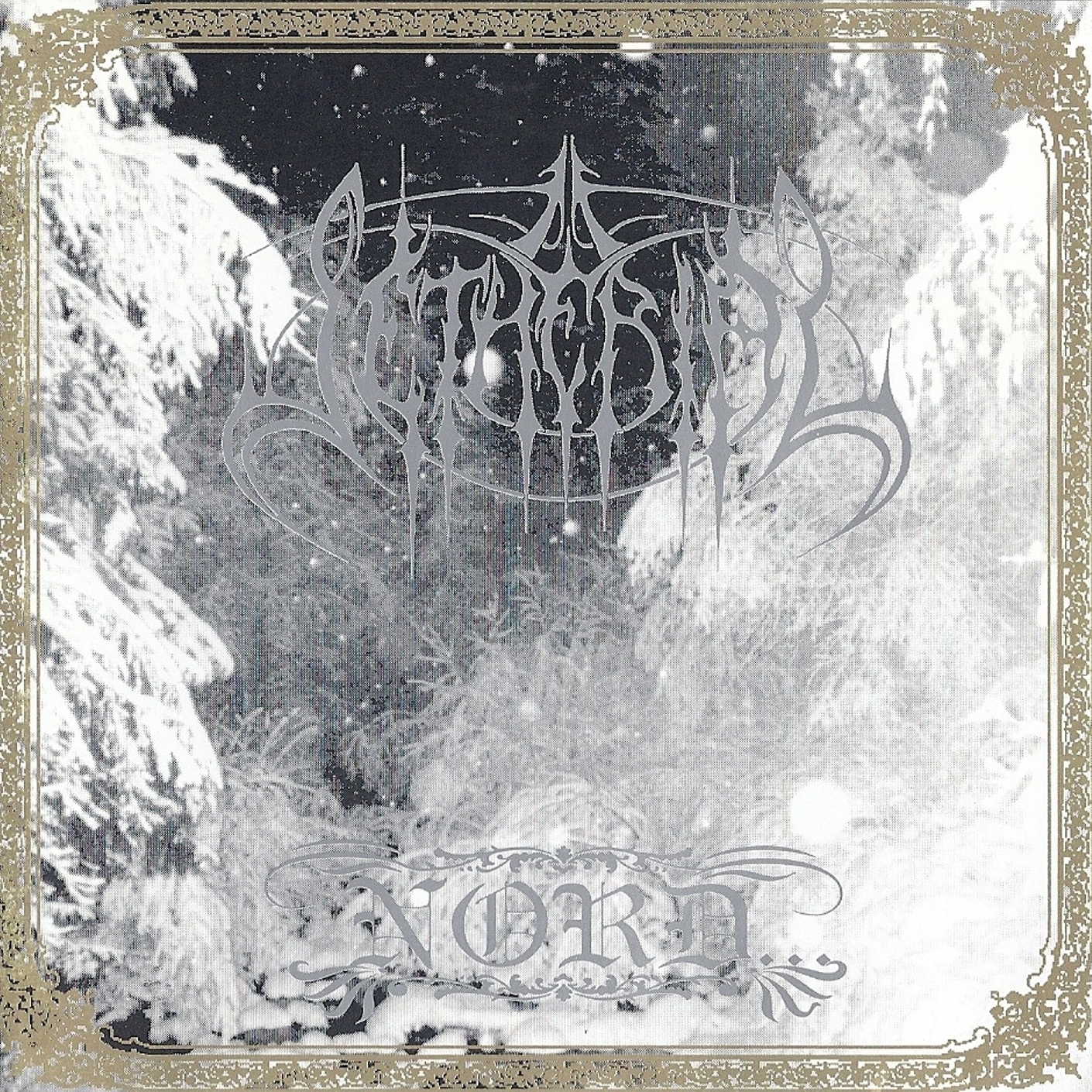
Certainly the most artistically inclined and subtle (relatively speaking, of course) of the seminal norsecore acts, and this is far and away their best. It's as grandiose and ambitious (and symphonic!) as Emperor, but bite-sized and sugary as Marduk/Dark Funeral. I mean, while listening to Nord... as I write this, I'm finding that it's even more dynamic than I remember. Carefully placed cymbal hits accent chord changes in the most impenetrably dense, furyblasting passages - a tactic Marduk would use extensively in the coming years - amid a great deal of rhythmic variation.
The basic phrase shapes don't change from riff to riff or even song to song, with chord changes being predictable and logical, but there are enough different varieties on hand to keep it engaging. It veers only slightly into riff salad territory at times, as norsecore tends to - that's part of what gives it its chaotic feel - but there's a surprising amount of compositional architecture and purpose on display that makes this the thinking man's norsecore album. Maybe my favorite of all from the classic era, in fact. Mandatory!
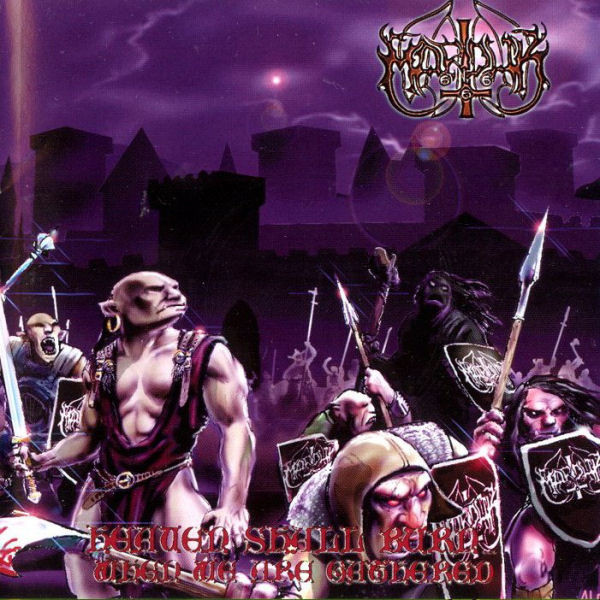
Here's where norsecore starts to get really over-the-top, and I'd wager that this is where it began acquiring the 'one-dimensionality' tag. And I suppose I get it: this album especially has as its lone mission to be extreme, a theme that Marduk would continue with that culminated in 1999 with the mother of all NC albums, Panzer Division Marduk. Still, this is an entertaining listen, if maybe not the most profound, and for a lot of people, this is what quintessential black metal sounds like, even today, 25+ years on.
Something I have to give Marduk credit for, and something that's especially evident here, and moreover their primary draw for me next to the inhuman hyperblast, is their penchant for stabbing shards of riffs based on minor key classical scales into the onslaught. I wouldn't say that they develop these themes the same way that, say, Emperor did, but the aura of grandiosity that they lend to this music is undeniable.
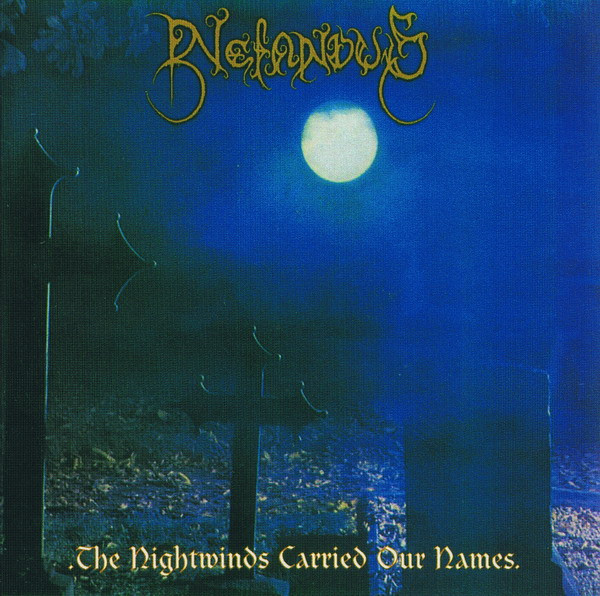
One of the earliest norsecore albums (1996!) ever, The Nightwinds Carried Our Names somehow missed my radar for a good 25 years, which is a shame, because it's phenomenal, and I have no idea why it's so underrated, generally speaking. It reminds me of Setherial's Nord..., which you just saw, quite a bit in theory: both albums make foundational use of a few similar tactics, but the execution sets them apart from one another pretty distinctly. For example, there's a surprising penchant for dynamics here, not to mention a pronounced tendency toward melodic variability via rigorous development of phrase. In fact, Nightwinds... too recalls Emperor circa In the Nightside Eclipse in terms of Nefandus' skill with multilayered, evolving composition. They forgo the orchestral elements entirely, however, which makes the density of detail in these songs even more impressive.
Where Nefandus really stand out as unique, though, is in the liberal incorporation of slower, epic passages that are indebted to traditional heavy metal (!) and, no doubt, Bathory's pair of early '90s Viking albums. Dissection did a fair bit of this same sort of thing, but where they went hard with Maiden-esque, harmonized leads, Nefandus leans a bit more into the expansiveness that this style achieves when used well. Indeed, their unique sense of melody shines through during these moments more than anywhere else, and therein you'll find both energized triumph and an emotionality approaching the tragic, both of which are incredibly rare amidst the frozen caverns of norsecore.
At times, this almost doesn't feel wholly like NC: song structures are still boxy but only just so, there's a comparative dearth of no frills, extended power chord shredding - a veritable norsecore staple - and riffs on the whole are a bit busier than what we're used to on definitive albums like Secrets of the Black Arts. There's also the unusual production, which lacks the typical Abyss Studios searing, digital crispness and is, by NC standards, refreshingly raw. It hearkens to fellow countrymen In Battle and Niden Div. 187, both of whom you'll find on this list here shortly, and the ensuing murk lends this album an atmosphere that sounds pretty damn close to the album cover.
All of that said, though, Nightwinds... is still a beautifully norsecorian album; Nefandus just do a bit of their own thing. You might not even hear how unique it is on first playthrough, but if you give it some careful attention, turn the lights down low, wine it and dine it, in due time you'll have it opening its velvety mausoleum doors to you and giving you everything. And take my word for it, as a bona fide norsewhore: the everything you'll get from Nightwinds... is positively bone-curling.
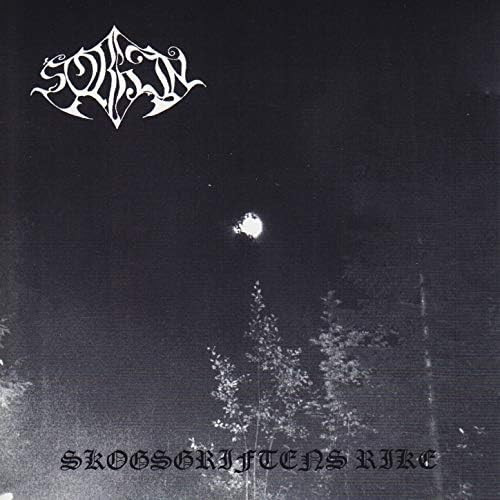
Enter mufuckin' Sorhin. Christ recrucified, I love these cats. A caveat about them being here though: they aren't full-on, tits-out norsecore. They're certainly based in it and one of the genre's flagship bands, but they also have a progressive bent that's atypical for this style, and in that their sound leans almost as much Norwegian as it does Swedish.
This unusual (for the time, anyway) combination is most obvious here, on their debut EP. Wholly unique, already displaying the punked-up attitude and swagger that I've always found to be one of their key components, Sorhin here crafts some seriously masterful songs. They're just so beautifully structured, my gods almighty. Skogsgriftens Rike is still rife with blasting black metal fury, don't get me wrong, and like most norsecore of the time, it owes a debt to the melodic/harmonic sense of traditional heavy metal that Dissection notoriously channeled and introduced to Swedish black/death metal of the '90s. However, while Sorhin is clearly influenced by the degree of melody, their approach - this is where they resemble the Norwegians - is distinctly angular and unusual.
You really can't go wrong with this band, as you'll see, but Skogsgriftens... sticks out in the band's oeuvre thanks to an atmosphere of distant isolation that you won't find this pronounced in the two full-lengths that follow. All said, a really intriguing listen, and I give it my full endorsement, but as it isn't complete norsecore, it's getting the same tag as Those of the Unlight and Dark Funeral even though it's bit late ('96): primitive norsecore.
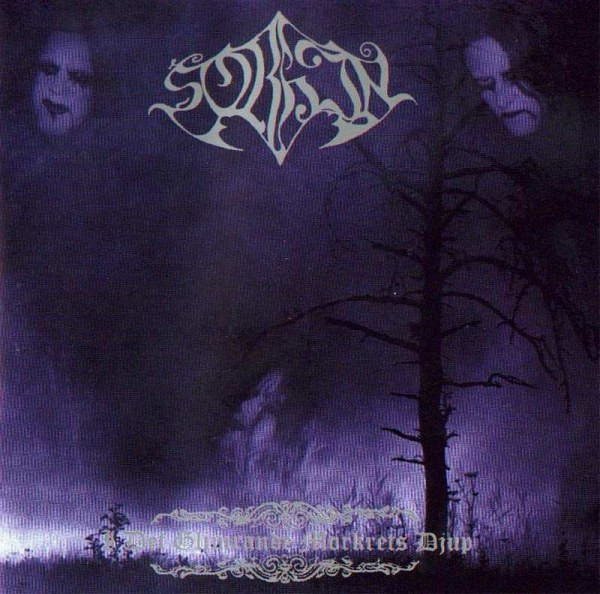
Sorhin admittedly straddles the fence between norsecore and good ol' fashioned, grumpy black metal, perhaps having more in common with Dissection with the death metal influences excised and replaced with a healthy dose of, erm, yet more black metal (?). For these purposes, though, I'm including them because they still very much typify the spirit of norsecore. They also, believe it or not, present with both a distinct punk-sounding influence here (a la Darkthrone or Carpathian Forest; who knows if it's actually punk they were listening to) and an undeniable progressive tendency in their songwriting. Sometimes.
Certainly one of the more interesting and atypical albums on this list, with follow-up Apokalypsens Ängel being more direct and heavily thrash-influenced, and frankly is all the more exciting for it.
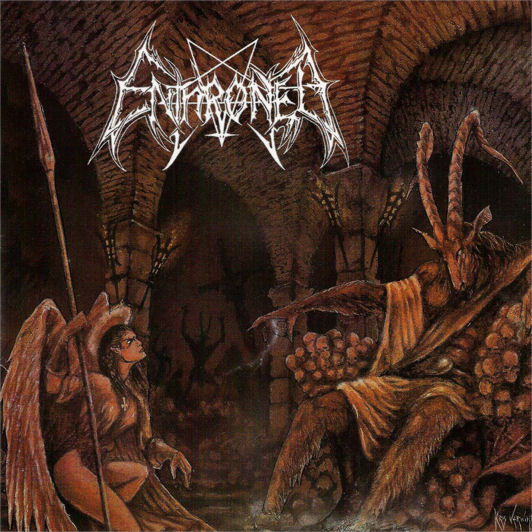
Hey, I can be honest and admit to myself and you and the entire world that this really isn't that great. However, they lucked out and had their shit distributed by Death Records in the States, a Metal Blade subsidiary, and so this fucking thing was everywhere in the late '90s, and for a kid like me who was hungry for literally anything blackened and eville, I snapped it up and it became one of the first probably twenty or so black metal albums I ever owned. And it's totally derivative, and it makes me nostalgic as fuck, and goddammit I think it's underrated and fuck you and your opinions.
Talk about singsong, nursery rhyme riffs though, man. These guys are worse (better?) than Dark Funeral in that department.
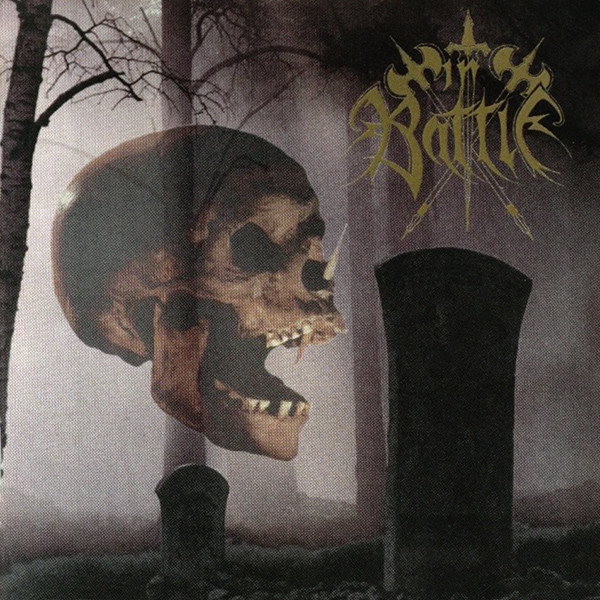
Fuuuuuuck yeah. Lo-fi, hyperblasting BM with a really bad attitude that I'm still on the fence about even being here. Kinda like Somberlain-era Dissection stuck in a snowstorm with Immortal on Battles in the North (visiting from a neighboring snowstorm), but without all the melodic heavy metal influence of the former, the epic sensibilities of the latter, and way more chaotic than either. I think I may hear a bit of a war metal influence too, though I'm not totally sure about that yet.
Iunno. Verdict's still out on this for me in a lot of ways as far as where it goes; alls I know is that it rips. Their second album, however - which is coming up shortly - is 100% norsecore.
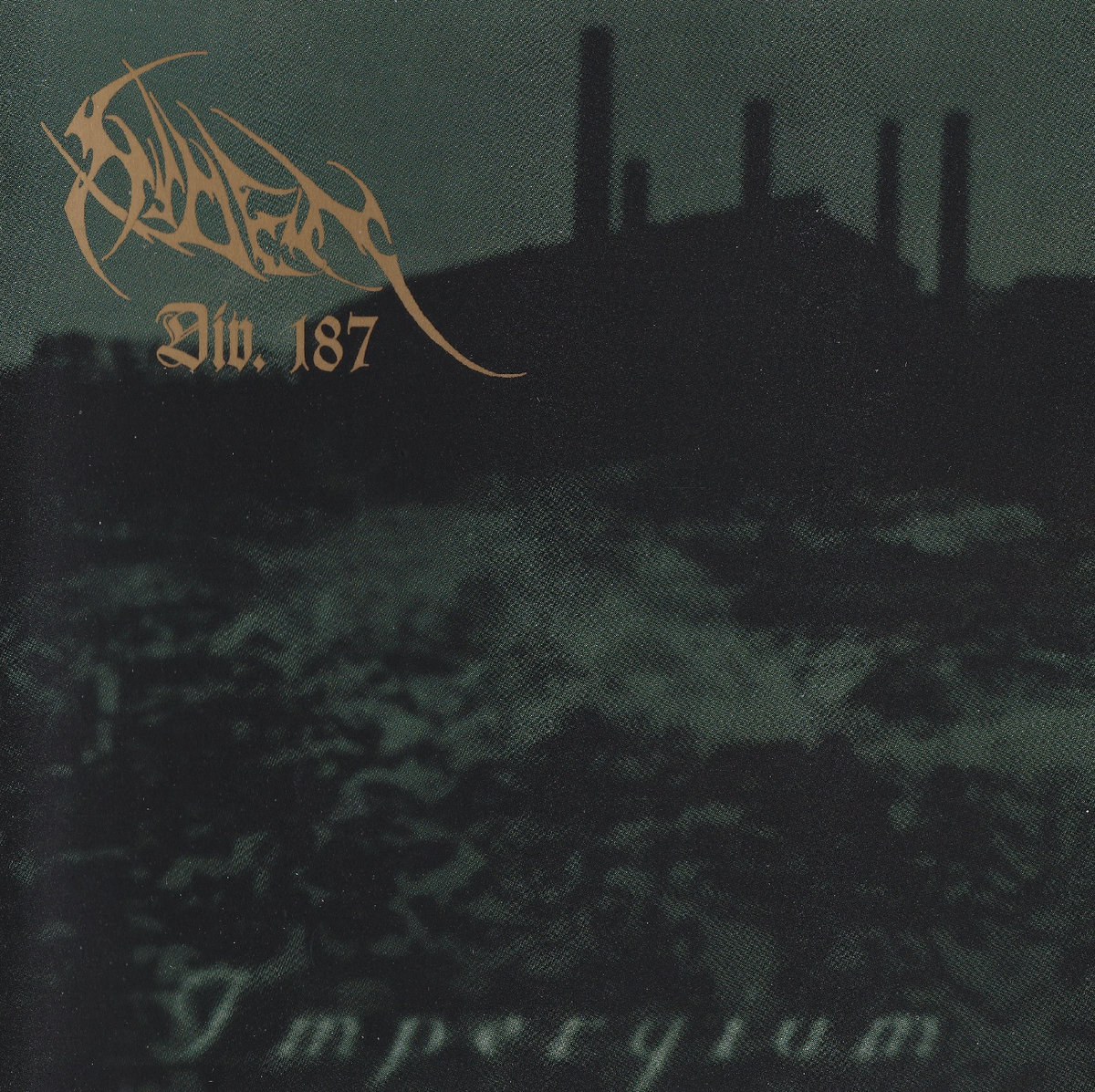
Technical/progressive norsecore! See, Impergium has a bit more going on, in the classic second wave style, than most of the other entries on this list. I mean, these dudes are excellent, intelligent composers. Not to say that a band like Setherial isn't, but Niden Div. 187 elevates it to another level entirely. They sort of remind me of In Battle, in fact, with Immortal and Mayhem being the obvious touchstones re: influence.
So what, exactly, sets this apart from the pack? Simply put, it's the way they weave together series of logically connected, evolving melodic phrases so seemlessly in a matrix of constantly shifting, but always intense, rhythmic patterns. These songs aren't merely written, but constructed, and that's usually what makes an album really stick out for me in the long-run. Then again, I've had Panzer Division Marduk for literally 22 years and keep listening to it, so maybe I'm just a pretentious liar with his head up his ass.
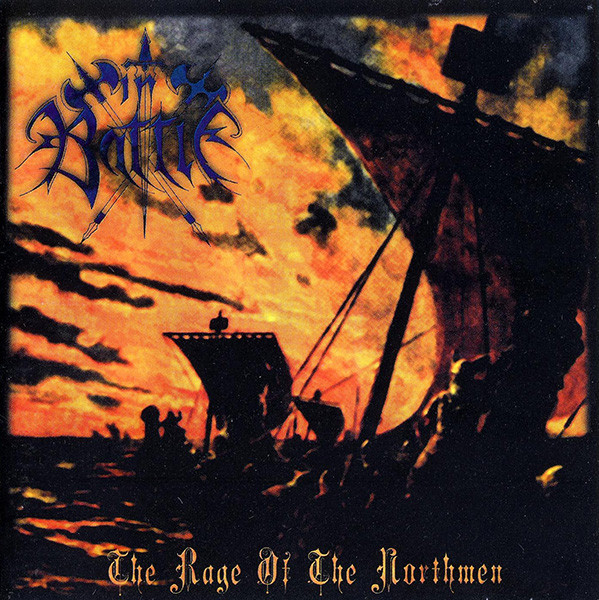
I've always really, really enjoyed In Battle. They were actually one of the first black metal bands I ever heard, having picked up the self-titled used on CD at a Disc Go Round, making my decision solely based on the cover and knowing absolutely nothing about the band. Man, those were the days. I'll probably never have that kind of experience again, honestly, where you go into a record store prepared to look through every single CD/LP there, and then just randomly buy something that you stumbled upon because the cover art and song titles make it impossibly clear that you're gonna love it. *Sigh*. Thinking back on that shit makes me tear up.
Lol that wasn't even the album I'm supposed to be talking about here. Ok for real this time! The Rage of the Northmen. In Battle is probably the most underrated of the classic NC bands, and this album is the more muscular - and more straight-forward - of the two they did in this style, going death metal on subsequent albums. Great, interesting riffs here throughout, and one of the few albums I've ever heard that manages to conjure up Immortal on Blizzard Beasts (my personal favorite of theirs). Also pretty cool that they went at this from a Nordic thematic angle instead of the usual Satanic thing.
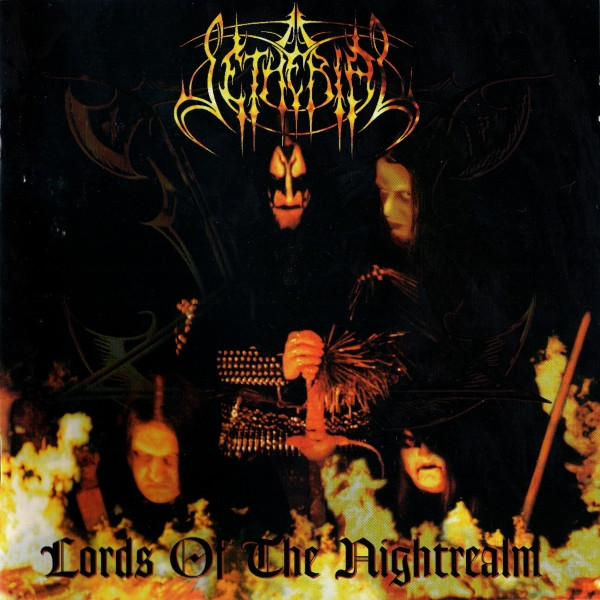
Setherial here tightens up their belts and shoots from the hip rather than the heart, as they'd done on Nord.... Basically then, this is Setherial as a full-fledged norsecore unit, forsaking the more, erm, "progressive" (c'mon: lots of black metal's totally prog) elements found on their debut. Lords of the Nightrealm is pretty much straight-up, evil, blasting black metal from start to finish, and while it's enjoyable and competently sinister and stirring, it's also pretty singularly-focused on searing black metal brutality, and that's it.
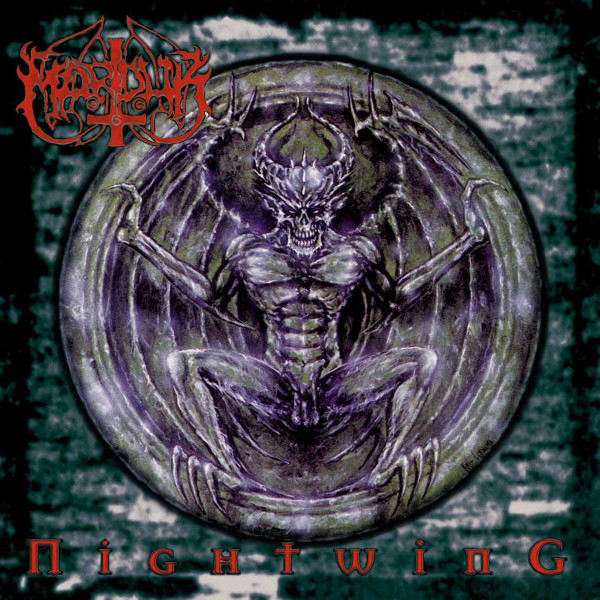
Funny, ain't it, that Marduk's two most stripped down, cavemanish norsecore albums would sandwich this, one of their more dynamic offerings of the '90s. Now now, don't get me wrong: it's still Marduk, and it's still hyperblasting, faceobliterating, sheetmetalshredding, grandmotherwalkerfootoutfromunderkicking capital-N (for gNarly) Norsecore, but the boys here played with dynamics and shade on Nightwing a bit more than elsewhere in the decade save moments on Opus Nocturne. No less mandatory for it though, kids.
Here's how it plays out: part I of the record - tracks I-IV, 'Dictionnaire Infernal' - is no frills Marduk as they were and would soon be again. They rip the whole time, basically. Tracks V-X, 'The Warlord of Wallachia', however, are where the band seriously, shockingly expand their pallet. Reportedly, the second half was conceptualized as a sequel of sorts to a track from '94's Opus Nocturne - 'Deme Quaden Thyrane' - and is a half-concept album treating the life of the real-life Dracula (as real as he ever got, anyway), Vlad Tepes 'the Impaler'. In fact, that track reappears in a freshly recorded rendition, and immediately smacks of the brooding dynamics of one of my favorite Mayhem tracks, 'Life Eternal'. Elsewhere, the band ventures into 'Hammerheart'-esque, borderline viking metal, 'Dreams of Blood and Iron' a lumbering, world-eating epic worthy of the best of Bathory's mid-period albums.
I mean, Marduk gets downright emotional on this album in ways I've never heard them do before or since. It's still norsecore, but it's among the most well-rounded and interesting and emotive anywhere in the classic canon.
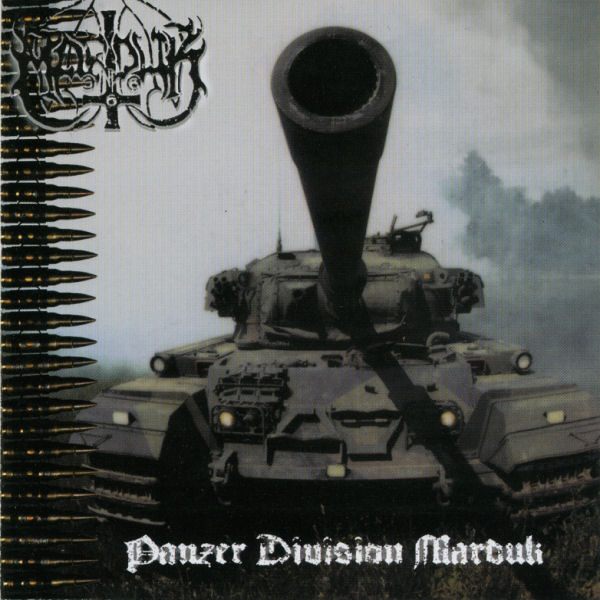
Can we just all agree that this, right here, is the ultimate, pure norsecore album forever? It is. It's the logical conclusion of the style, and in retrospect can be seen as its apex such that in its wake releases in this style began to appear less and less frequently, and those that did appear either paled terribly in comparison or aped this album directly. Because I'm an old fucking man, I remember when this was released. Not only do I remember when it was released, I remember the build-up to the release, and subsequently getting real excited about it, buying it, reading all the press about it and, regardless of how you plebeians feel about it, obsessing over it. I recall in interviews guitarist Morgan Håkansson saying that the band's goal was to create the 'Reign in Blood of black metal', and spit in my mouth if they didn't succeed. Or if they did. I ain't judgin' your shit.
It's no surprise to me that norsecore began to morph in all kinds of different directions after this beast because really, what else could you do with it? Norsecore was effectively done here, as this was the culmination of, depending on how you look at it, nearly a decade's worth of evolution (or devolution, again depending on how you look at it). I mean, everything that norsecore had ever moved toward musically - the extremity of delivery and attitude, the simplicity of structure and phrase - was turned up on the dial so far that it ripped off, Marduk at once defining and killing the genre in one fell swoop.
Matter of fact, Panzer Division Marduk is so norsecore that it's paradoxically almost not even norsecore anymore: within the first 30 secondos, it's practically a grind album. However, those hints of neoclassicism remnant in the melodic department, the glorious dissonance of the harmonies (when they pop up), the hoarse bark of vocalist Legion's militant/Satanic diatribes...
Don't worry: it's still norsecore. And if you have even a passing interest in the history of black metal, you owe it to yourself to hear it.
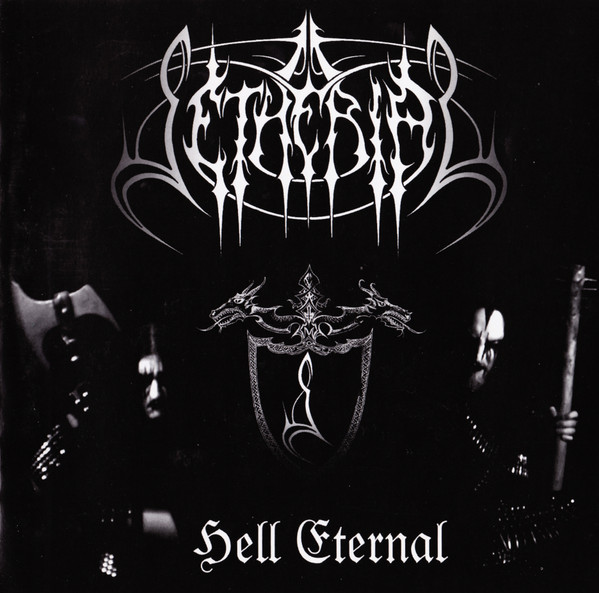
Now here's a gnarly one. While Nord... is often - and reasonably - cited as Setherial's crowning achievement, Hell Eternal turns the extremity notch up several clicks past both the debut and the previous year's Lords of the Nightrealm, then blasts the norsecore thing into the stratosphere with aspirations toward the extremity of Marduk while expanding on the (often minimalist) melodic aspirations of Dark Funeral.
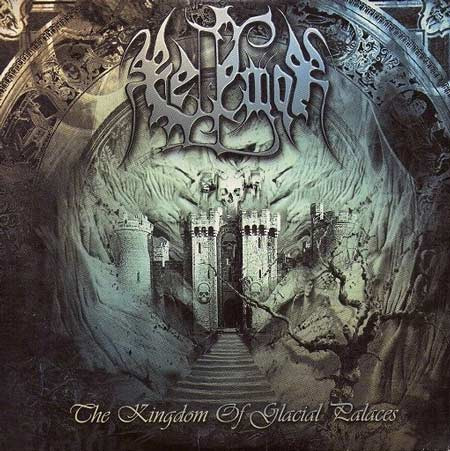
Out of Poland, of all places! This was released as norsecore's initial impetus entered its death throes, and admittedly Belfegor played a style that was, believe it or not, a touch more musically sophisticated than the Swedish giants, owing as much to Immortal's more technical side as to the monodimensional glory of Marduk.
Still, this thing fuckin' churns! It maybe churns butter and not oceans, but it's the movement that counts, and Belfegor moves me.
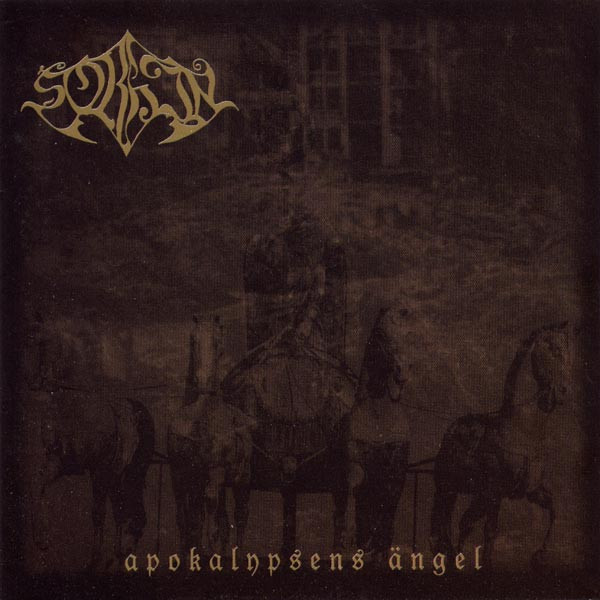
Far and away Sorhin's best, this could easily be neo-norsecore, and maybe it is. I don't know; I'm not a doctor. It's steeped in the sound of the last 5 years, but, like Gorgoroth on Under the Sign of Hell did with the classic Norwegian template, here Sorhin incorporates a fair bit of '80s-inspired thrashing in the Teutonic style, and frankly they're more interesting for it. That's why this might be neo-norsecore: it takes the -core template and marries it to widely disparate influences from death metal or thrash metal or even the exotic doom metal.
Be honest: is my sarcasm too dry to see its brilliance?
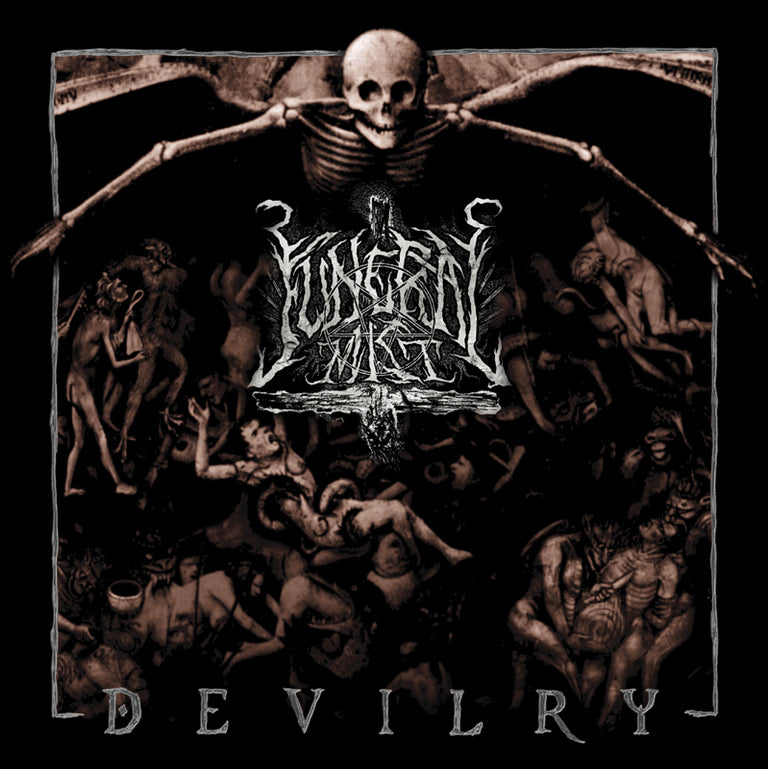
The band that I associate more than any other with what would eventually become orthodox black metal (cf. 2003's Salvation), here effectively a norsecore band with some pretty fancy ideas, thus rendering this the first neo-norsecore release (that i'm aware of) in my opinion.
Absolutely essential: it recalls Marduk at their most ferocious with the technical ambition of prime Immortal, the chilling ambiance of De Mysteriis..., and the theatricality of In the Nightside Eclipse. In fact, all of those things could even be said to be the defining characteristics of the orthodox black metal phenomenon, but here, they're mostly simmering in the background, thus the neo designation. Proto-neo.
I remember basically losing my mind about this when it came out, but it really isn't much more than a classed-up, triumphant (:D) Panzer Division.... But hey: that's a serious selling point for me! Triumphator is also, along with Funeral Mist's Devilry from the year prior, the point at which norsecore began to expand and morph from its classic configuration into something a bit... moresecore (:D :D). In fact, Triumphator may even already be orthodox black metal, but there's also as much of a case to be made for it being simply very well-executed norsecore. It's hard to say definitively, because this shit starts to get a little blurry as the new millennium draws nigh. My gut says it's neo-norsecore, though, so that's what we're going with.
Here's what's up: Triumphator takes the brevity and neoclassical motion of phrases that the usual suspects above made their trademark and runs 'em through with complementary passages of epic proportions by expansion of those basic ideas in slicing, short-circuited alternation. By those measures, then, not terribly dissimilar to what Dissection was doing in '93 - they are, after all, a huge impetus for this whole thing in terms of songcraft - but Triumphator is interesting and unique in the way that they selectively tease out portions of the ideas laid bare in the traditional norsecore template. The appeal of this band, of course, as is the case with most black metal done in this style, is surely in the strobe-lit guitar/drum interplay that lends the proceedings an air of perpetual chaos.
All things said and done, I actually appreciate this even more today than when I first bought it back in 2000 or so; it's actually quite accomplished and, believe it or not, adorned with subtleties amidst the ferocious delivery if you just know how to listen.
Also of note: Arioch/Mortuus, of Funeral Mist/Marduk post-2004, is the man behind the vox and guitars here, with Fredrik Andersson, also (formerly) of Marduk, killing the kit.
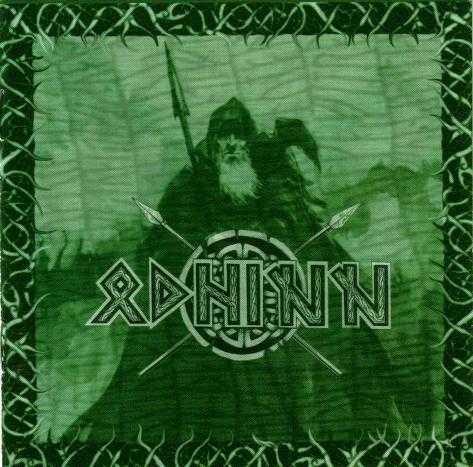
Now here's a bizarre little thing: norsecore, but with viking/folk metal influences! It's admittedly not my favorite, and were it not for the attempts at incorporating the heroic Nordic clean singing, it would be just another norsecore album.
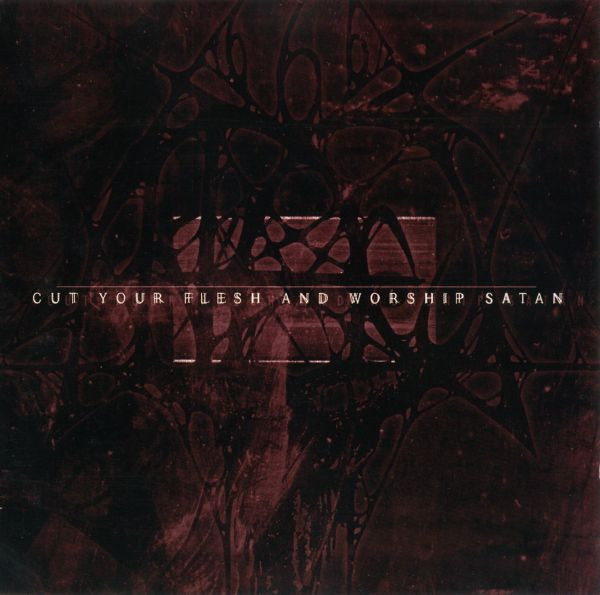
This is the first one that really started to operate on the fringes, if not wholly outside, of the parameters of the Marduk-inspired style that had become the overwhelmingly dominant paradigm in the genre by the late '90s. Naturally they were from France, and naturally this drips with the same aura of typically French, regal black decadence as the Black Legions. As far as brutality goes, this was a hell of a way to kick off the new millennium.
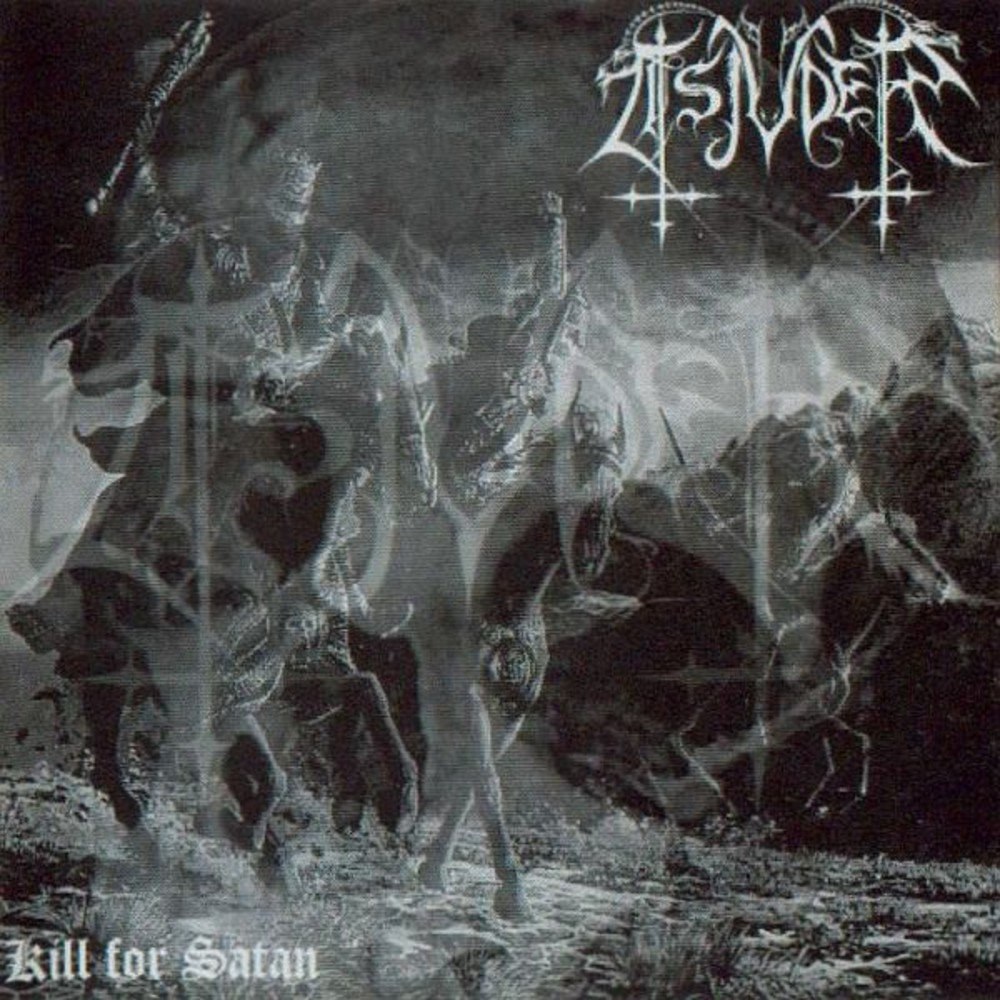
Here we go. An early neo-norsecore entry from one of the seminal exporters of the stuff, tinging their work with the festering stench of old-school death metal. I mean, this band is consistently ferocious, which is certainly true here, on their debut, but Kill for Satan is also just fuggin' heavy, and it was one of the earliest releases on the uber-kvlt, French Drakkar label, no less.
Come to think of it, Tsjuder is a band who only ever does anything moderately novel - they did expand the norsecore palette early on, but only by adding a touch of death metal burl, so...? - but it's all so well-crafted that it doesn't even matter. On this album in particular, they also have the distinction of joining In Battle as one of the few bands ever to successfully channel Immortal's majorly underrated classic, Blizzard Beasts, in spots. Man, I love that album so damn much. It's so out there, so convincingly wintry and those riffs, the guitar tones, there's just nothing like it.
Er, right. Yeah. Kill for Satan.
Yep.
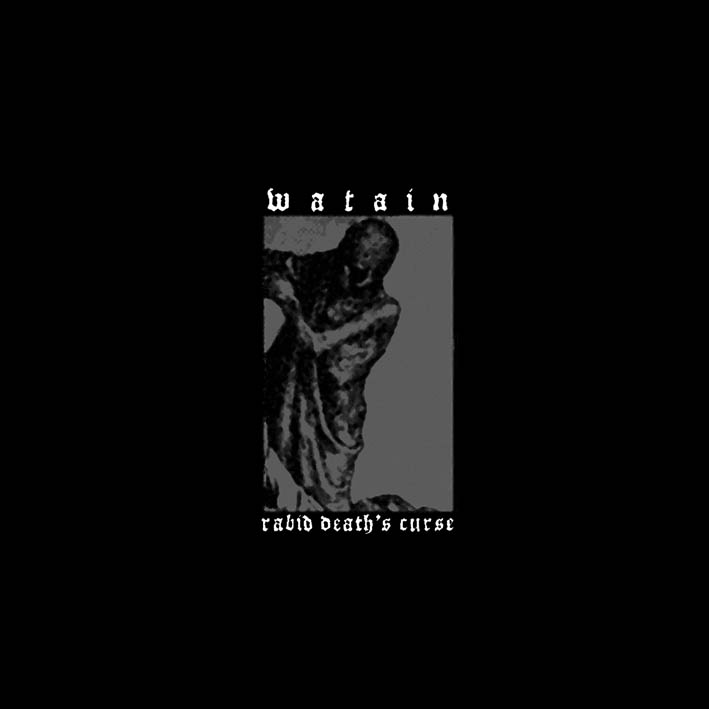
And thus debuts what would become one of the most commercially successful black metal acts of all time, once again on the French Drakkar label, known more at the time for releasing shit by the Black Legions. And fuck me if this still isn't their best album all these years later, despite everything else vastly more successfuly that they've released since, only follow-up Casus Luciferi coming close to touching the relentless assault of Rabid Death's Curse.
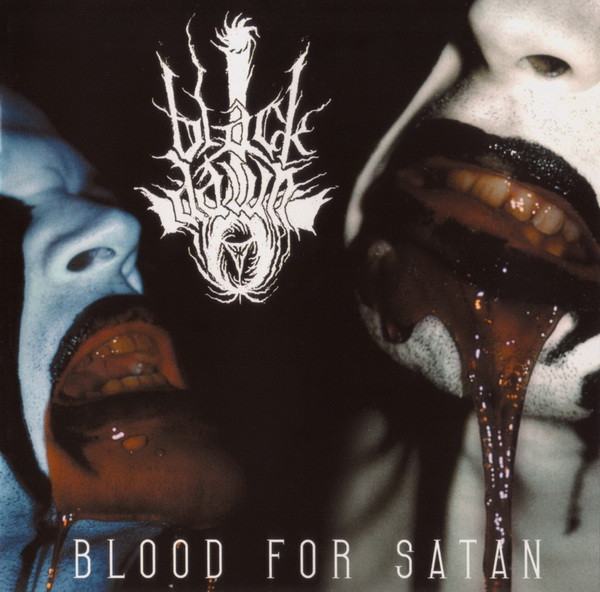
Yes!!! Fuck man, talk about underrated, because that's what we've got here with this full-length debut by these long-running Finnish stalwarts, a landmark album that's somehow managed to consistently fly under the radar when it comes to critical evaluations of black metal's all-time milestones. This is a goddamn travesty, because this snarling slab of sheer spite should be mentioned in the same breath as the likes of the exalted '90s canonical records. It's that fucking good.
It's classic, extremely muscular BM, definitely steeped in the grand tradition of Swedish norsecore, but also with a pronounced, jackhammering war metal influence. Did you hear me correctly? Blood for Satan is norsecore spiked with war metal - logical given their shared national origins with the likes of Beherit, Archgoat, and Impaled Nazarene - a combination that makes for a surprisingly unparalleled listening experience that's even more uncompromising than it sounds on paper. This has become one of my favorite black metal albums from the 2000s, and barring the precursors, maybe my favorite album on this whole list along with Marduk and Funeral Mist and, like, Nord.... Fucking mandatory. Worship.
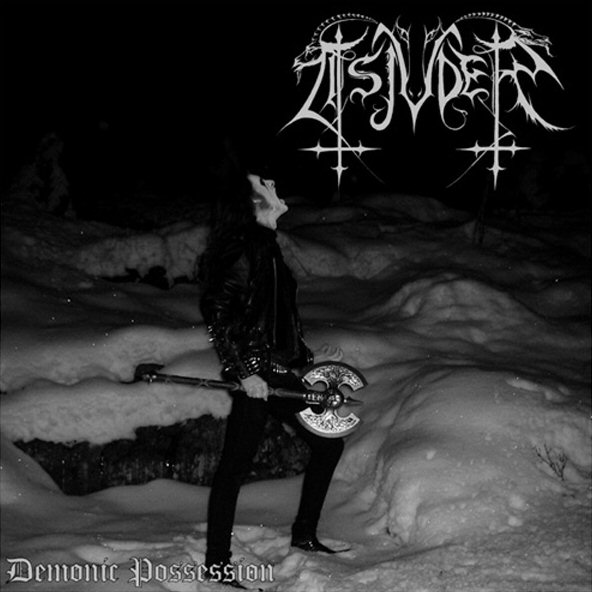
Still to this day my favorite Tsjuder record, and even more 'core than the Kill for Satan debut from two years prior. The death metal influence has been discarded in favor of shameless mid-'90s Mayhem/Immortal worship, albeit with a concerted cranking of the brutality dial à la Panzer Division Marduk. Couple that with some seriously beefy low-end, and Demonic Possession lands somewhere in the vicinity of a norsecorified Under the Sign of Hell with a socially debilitating aggression problem that it tries to work out by powerlifting. Yes, seriously: such a thing exists, and this is it. Some of the most brutal traditionalist black metal made up to this point!

If ever the Mayhem influence was apparent in the work of 1349, it's here. Now don't forget, this is still a neo-norsecore album, so there's shredded power chords and hyperblasting galore, but somehow they manage to conjure the aforementioned trailblazers' eerie funeral mist (lol) here more than ever.
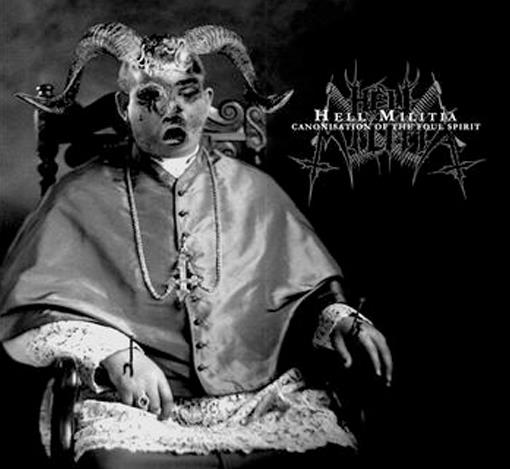
This very well could be thrown in with orthodox black metal, but it just doesn't quite have the terror factor dialed in in the same way. Now, don't get me wrong: this is terrifying in a sort of throwback slasher movie kinda way - it gets the job done and creates a nice, morbid atmosphere even though you've seen it done dozens of other times in dozens of other movies for . Is it doing anything new? Nope, not a damn thing. Do you care? Nope! It happens that you love classic slasher movies and their vibe so much that it doesn't matter to you how original it is; the most important thing is that it's true to its influences.
In case you havene't figured it out, I'm not actually talking about slasher flicks, but rather this very album. Basically, it sounds like De Mysteriis dom Sathanas
That's all of the neo-norsecore I'm listing (for now!), but this section has quite a bit more I haven't gotten to yet, and there's a whole 'nother section to come after, too: orthodox black metal!